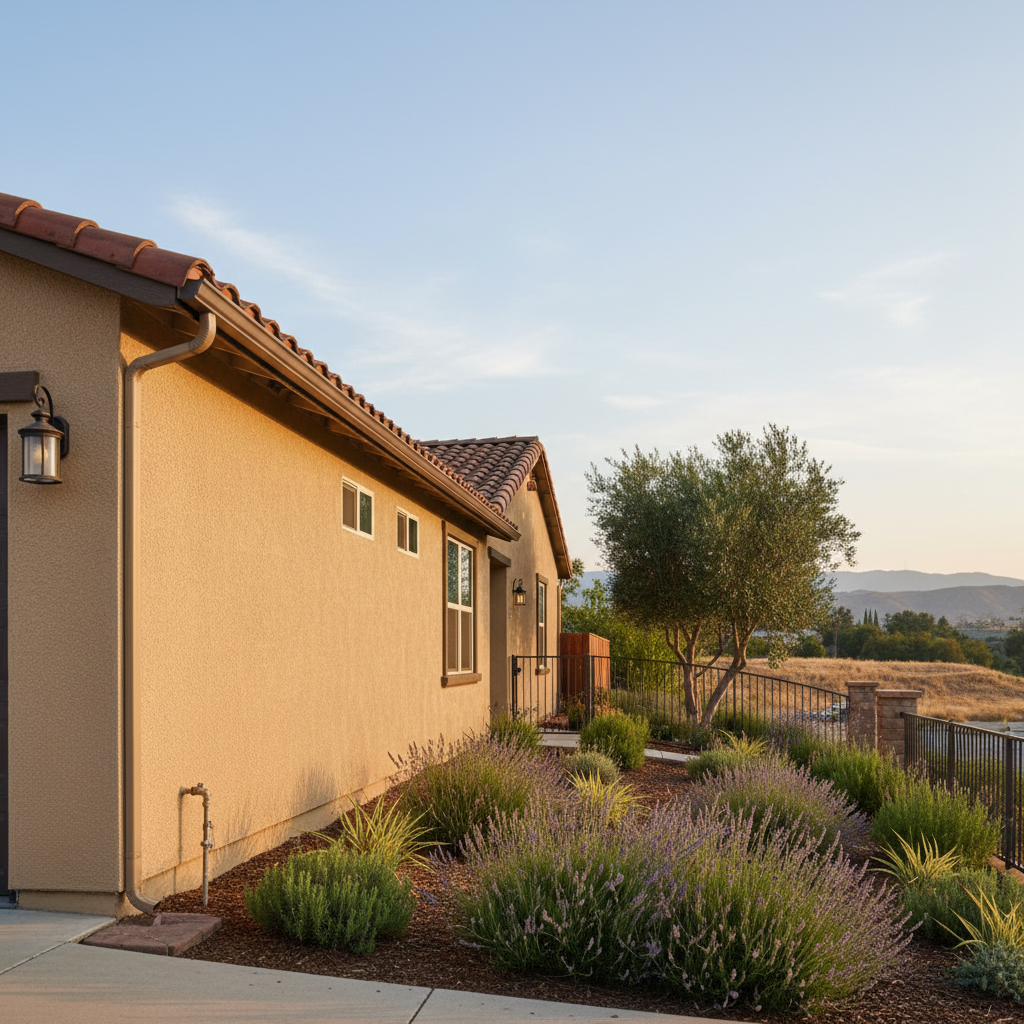
So, you've got Exterior Insulation and Finish Systems, or EIFS, on your home here in Claremont. Maybe you bought a place that already had it, or maybe you picked it for its energy efficiency and how flexible it is with design. Either way, it's a great product when someone installs it correctly, and it can last a very long time if you just take care of it. But you can't really "set it and forget it" with any exterior finish, and EIFS is no different. You've got to give it a little attention, you know?
Extending the Life of Your EIFS
The biggest thing you can do to make your EIFS last longer is to manage water. I really can't stress this enough. Our dry Claremont summers are one thing, but those heavy winter rains we get — especially when they come after a long dry spell and really hit hard — they can find any weak spot. EIFS itself is pretty water-resistant, but the devil's in the details. Specifically, it's around penetrations. That means windows, doors, flashing, utility lines, and anything else that breaks the surface. Make sure your gutters are clean and draining properly, and that downspouts are sending water away from the foundation. You definitely don't want water pooling near your walls.
Another key is keeping it safe from physical damage. EIFS is tough, but it's not bulletproof. Kids playing with balls, bikes bumping into the wall, even overgrown shrubs constantly rubbing against it — all these things can cause dings and scrapes. Once the finish coat gets compromised, you've got an entry point for moisture. Be mindful of your landscaping too. Keep plants trimmed back so they're not constantly touching the EIFS. This isn't just about physical damage, by the way; it also helps with air circulation, which is good for keeping the wall dry.
Regular Maintenance: What You Should Be Doing
For the most part, EIFS doesn't need a ton of maintenance. But "low" doesn't mean "none." Here's what I recommend you do a couple of times a year, maybe in the spring after the rains and then again in the fall before they start up:
- Wash it down: A gentle wash with a garden hose and a soft brush can work wonders. You can use a mild detergent if you need to, but nothing abrasive. Power washers? Be very, very careful. If you set it too high or get too close, you can totally damage the finish. I usually say stick to the hose unless you really know what you're doing.
- Inspect for cracks and damage: Take a walk around your house. Look closely at all the walls, especially around those windows and doors. Are there any hairline cracks? Any impact damage? Any areas that look discolored or like they're bulging? Pay extra attention to corners and where different materials meet.
- Check sealants: The caulk around your windows, doors, and other penetrations is super important. It's the first line of defense against water getting behind the EIFS. Is it cracked, peeling, or missing? If so, you need to address that.
- Clear debris: Make sure there's no dirt, leaves, or other debris collecting against the EIFS, especially near the base of the wall. This can trap moisture and encourage mold growth.
Warning Signs of Problems
You're looking for anything that suggests water is getting where it shouldn't, or that the system's integrity is compromised. Here are the big ones:
- Cracks: Hairline cracks can often just be cosmetic, but wider cracks, or cracks that form a spiderweb pattern, are a red flag. They can be entry points for water.
- Discoloration or staining: Dark streaks, especially below windows or other openings, usually mean water is running down the wall and carrying dirt with it. Green or black spots could be mold or mildew, indicating persistent moisture.
- Bulging or soft spots: If you press on the EIFS and it feels soft, or if you see areas that are clearly bulging out, that's a serious sign of trouble. It often means water has gotten behind the system and is damaging the substrate or the insulation.
- Peeling or blistering: The finish coat shouldn't be peeling or blistering. If it is, that's another sign of moisture issues or possibly a poor application initially.
- Sealant failure: As I mentioned, if the caulk around openings is failing, it's not just an aesthetic issue; it's a direct invitation for water.
Especially here in Claremont, with our older homes in areas like the Village or the Sycamore Canyon neighborhood, you might see EIFS applied over different substrates. Knowing what's underneath can sometimes help diagnose issues, but usually, the signs are pretty clear on the surface.
When to Call a Professional
Look, a lot of the basic maintenance like washing and checking things over, you can handle yourself. But when you see any of those warning signs — cracks, bulges, persistent staining, or failing sealants — that's when you pick up the phone. Don't try to patch major EIFS damage yourself. It's a system, and repairing it properly requires specific knowledge and materials to ensure you're not just covering up a problem, but actually fixing it and maintaining the water-resistive barrier.
A professional like us at Classic Stucco & Plastering can properly diagnose the issue, find the source of the water intrusion, and make the necessary repairs. We've got the tools and the know-how to do it right, ensuring your EIFS continues to protect your home and look good for years to come. Catching these problems early can save you a lot of headache and money down the road. It's always better to be proactive than reactive when it comes to your home's exterior.