What Even Is "Commercial Stucco" for a Home?
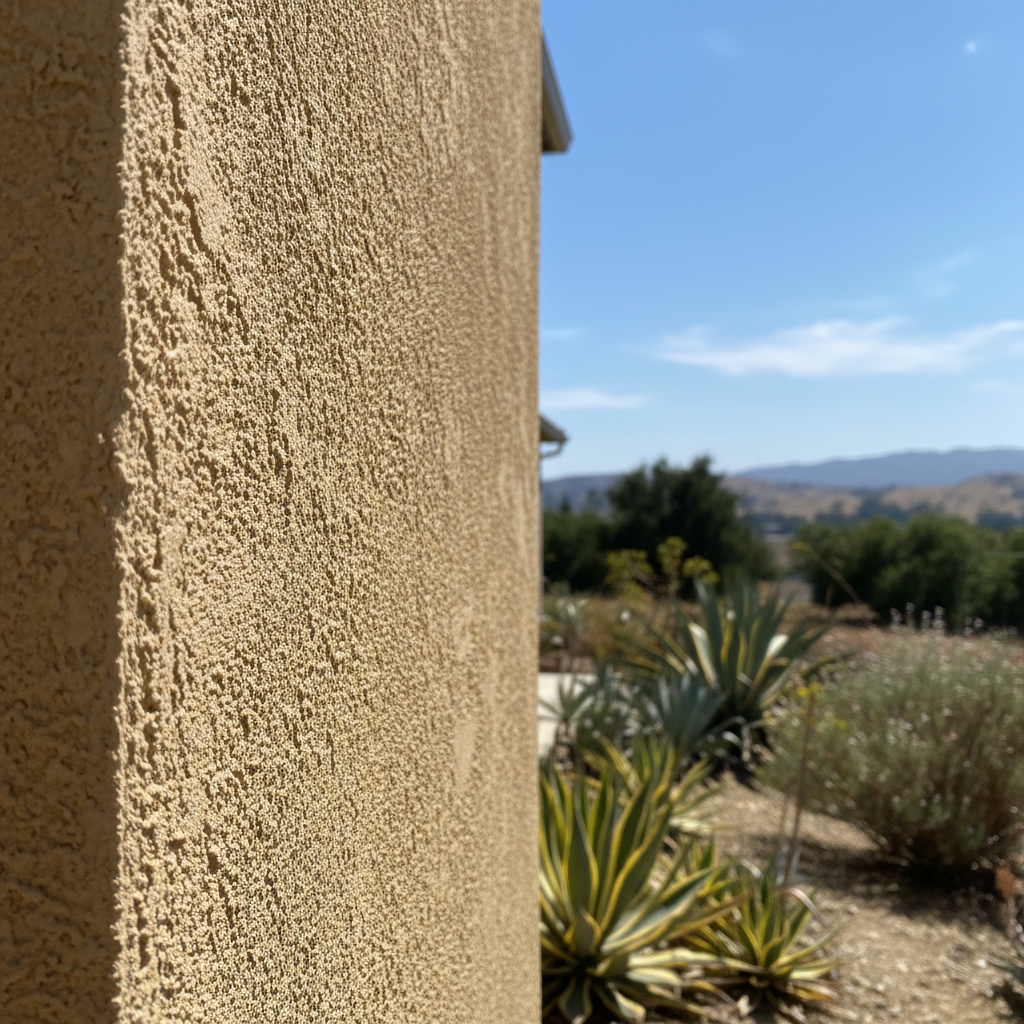
Okay, let's clear something up right away. When I talk about "commercial stucco" for a homeowner, I'm not suggesting you turn your house into a strip mall. What I really mean is the kind of sturdy, often thicker, more durable stucco systems you typically see on bigger buildings. Think about some of those older, more substantial homes around Claremont, especially the ones built in the 60s and 70s up by the foothills. These aren't your thin, synthetic EIFS systems. No, we're talking traditional, multi-coat cement-based stucco that's truly built to last. It's tough, but even the toughest stuff can get damaged sometimes.
So, you've found a crack, a chip, or maybe some water damage showing up. Your first thought might be, "Can I just fix this myself?" That's a fair question. And the answer, like most things in construction, is, "it depends."
Before You Start: Assessing the Damage
Before you even think about buying a trowel, you really need to figure out what you're dealing with. Is it just a hairline crack? Or a bigger, structural one? Maybe a patch of stucco that's delaminated, or sounds hollow when you tap it? Water stains? This assessment is absolutely critical. A small hairline crack that's just cosmetic? You might be able to handle that. But a big, spiderweb crack that goes deep, or a section that's crumbling? That's probably a job for someone with more experience, wouldn't you say?
Look closely at the edges of the damage. Is it just the top coat, or does it look like moisture has gotten behind it? If you spot signs of rot on the wood trim nearby, or if the stucco feels spongy, you've got a bigger problem than just a surface repair. You're likely looking at water intrusion, and that means you need to address the source of the leak, not just patch over it.
What You Can Realistically DIY
- Small Hairline Cracks: If it's truly just a surface crack, less than 1/16th of an inch wide, and there are no signs of water damage, you can probably fill it with an elastomeric stucco caulk. Clean the area thoroughly, apply the caulk, and smooth it out. Just make sure the color matches as best you can.
- Minor Surface Chips: For very small chips where the underlying brown coat is exposed but still solid, you can sometimes use a pre-mixed stucco patch. Again, clean it well, apply the patch, and try to match the texture. It takes a bit of an artistic eye to blend it in.
- Repainting/Sealing: If your stucco is in good shape but just looks faded or dirty, a good power wash (be careful with the pressure!) and a fresh coat of elastomeric paint designed for stucco can do wonders. This isn't really a repair, but it's important maintenance you can definitely do yourself.
These are pretty much the limits for a homeowner, in my honest opinion. Anything more involved, and you start getting into territory where you could accidentally make things worse, or just waste your time and money on a fix that won't last.
When to Call a Pro (Like Us at Classic Stucco & Plastering)
Here's the deal: stucco isn't just mud on a wall. It's a system. There are layers, specific mixes, and proper application techniques that are crucial for it to perform correctly and protect your home. If you're dealing with any of these situations, pick up the phone:
- Cracks Wider Than 1/16th Inch or Deep Cracks: These often indicate movement in the structure or significant stress. A simple patch won't solve the underlying issue. You need someone who can properly prepare the crack, apply the right materials, and ensure it's sealed against water.
- Hollow-Sounding or Delaminated Stucco: This means the stucco has separated from the wall. You can't just glue it back on. It needs to be removed, the substrate inspected, and then properly re-applied from scratch. This is a multi-step process that requires skill and the right tools.
- Water Stains, Mold, or Rot: These are huge red flags. Water is getting in somewhere, and it's likely causing damage behind the stucco. A professional will trace the source of the leak, repair any damaged sheathing or framing, and then re-stucco the area correctly to prevent future problems.
- Large Areas of Damage: If you've got a big section that needs repair, matching the texture and color of existing stucco is incredibly difficult for an amateur. We've got years of practice doing just that.
- Stucco That's Been Painted Over Multiple Times: Sometimes, old stucco gets painted over and over, which can trap moisture and cause issues. A pro can assess if the paint needs to be removed before repairs or if a new system is needed.
During the Project: What to Expect
If you do hire someone, make sure they're clear about the scope of work. They should explain what caused the damage, how they'll fix it, and what materials they'll use. Don't be afraid to ask questions. A good contractor will keep you informed. We always make sure homeowners know what's going on, especially if we uncover something unexpected once we start opening up a wall.
After the Project: Maintenance Tips
Whether you did a small DIY fix or had us out for a big repair, ongoing maintenance is key. Walk around your house a couple of times a year, especially after a good rain. Look for new cracks, water stains, or areas where the stucco might look different. Keep your gutters clean and make sure downspouts are diverting water away from your foundation. Trim back any bushes or trees that are touching your stucco, as they can hold moisture against the wall. A little vigilance goes a long way in preventing bigger, more expensive problems down the road.
Stucco is a fantastic, durable siding material, but it's not indestructible. Knowing when to grab a tube of caulk and when to call in the cavalry will save you headaches and keep your Claremont home looking great for years.